
As I entered the bustling markets of Seoul, the air was infused with the tantalizing aroma of sizzling meats and rich spices. That moment sparked my obsession with Korean cuisine, and now I’m excited to bring you my take on a beloved staple: Korean Beef Bulgogi. This recipe marries tender ribeye slices with a flavorful marinade, offering a quick dinner option that’s truly a crowd-pleaser. Not only is it deliciously versatile—perfect for pairing with rice or stuffing into tacos—but it also delivers the authentic taste of Korean barbecue right in your kitchen. Ready to savor this sweet and savory masterpiece? Let’s dive in!
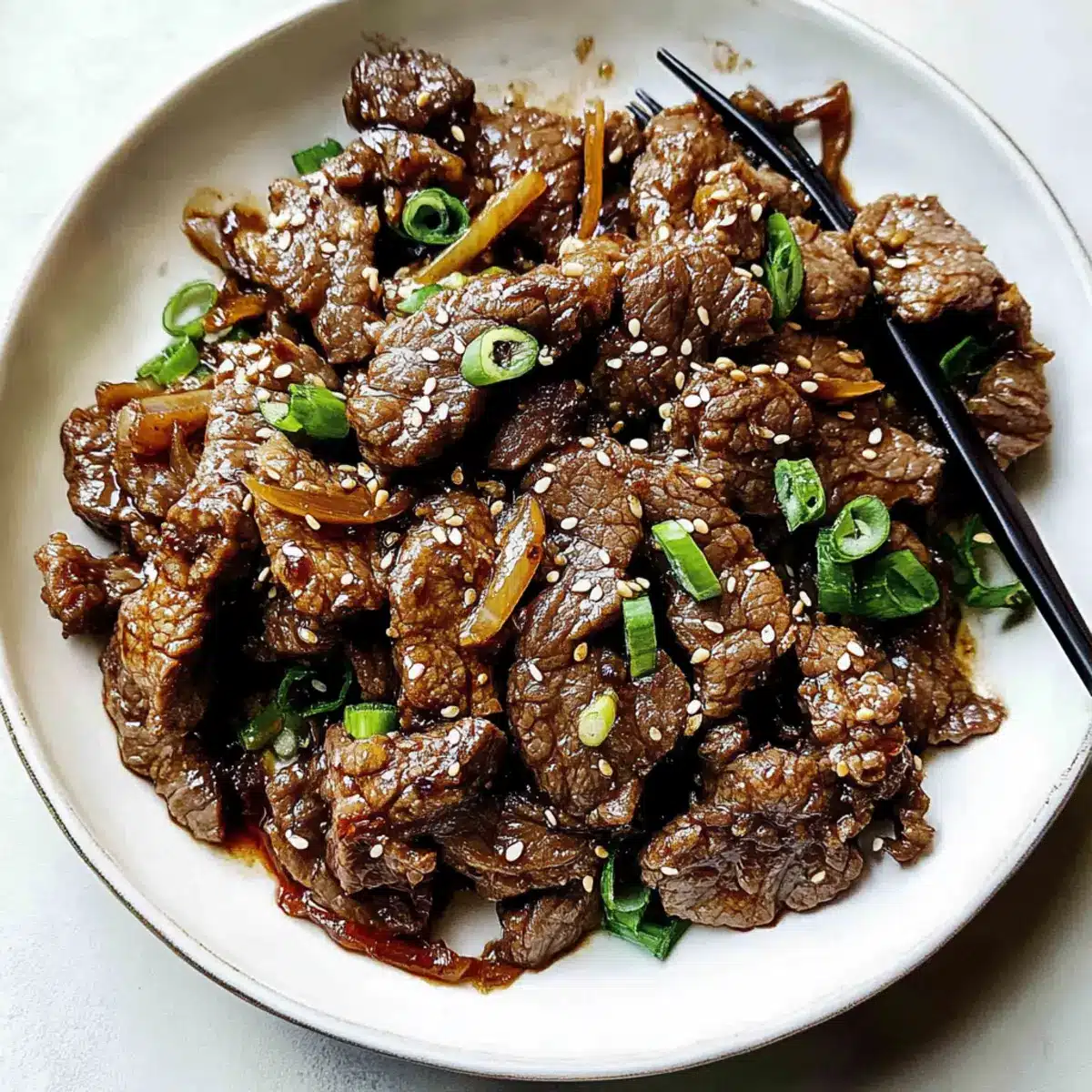
Why is Korean Beef Bulgogi Amazing?
Authenticity guaranteed: This recipe captures the true essence of Korean BBQ, bringing restaurant-quality flavors into your home.
Quick and easy: With minimal prep and cook time, it’s perfect for busy weeknights or last-minute dinner plans.
Flavorful goodness: The rich marinade of soy sauce, brown sugar, and Asian pear creates a mouthwatering balance of sweet and savory.
Versatile enjoyment: Serve it over rice, in tacos, or as lettuce wraps for a delightful meal that adapts to your cravings.
Crowd-pleaser: Everyone loves bulgogi! It’s sure to impress family and friends at your next dinner gathering. For more delicious Korean-inspired recipes, check out my Korean Chicken Bao and Korean Soy Garlic Chicken.
Korean Beef Bulgogi Ingredients
For the Marinade
- Soy Sauce – Provides the primary salty umami flavor.
- Brown Sugar – Adds sweetness to balance the savory elements.
- Mirin (Rice Wine) – Enhances the depth of flavor; can substitute with white wine.
- Sesame Oil – Adds a nutty aroma; use sparingly for a potent flavor.
- Cracked Black Pepper – Gives a mild heat; adjust to your taste preference.
- Asian Pear – Natural tenderizer and adds sweetness to the marinade; Gala apples can be a good replacement.
- Garlic Cloves – Fresh garlic delivers aromatic depth; it’s best to use fresh for optimal flavor.
- Minced Ginger – Provides additional aromatic quality; fresh ginger is preferred.
For the Beef
- Boneless Ribeye – Tender and flavorful; the ideal cut for Korean beef bulgogi.
- Yellow Onion – Adds flavor and sweetness; use half for the marinade and half cooked.
For Cooking
- Vegetable Oil – Necessary for even cooking; can substitute with any neutral oil like canola.
For Garnish
- Green Onion – Adds freshness and color; slice generously for best results.
- Toasted Sesame Seeds – Enhances presentation and adds a lovely nutty crunch.
This combination creates the magic of Korean Beef Bulgogi, making for a delightful culinary adventure right at home!
Step‑by‑Step Instructions for Korean Beef Bulgogi
Step 1: Prep the Beef
Begin by thinly slicing the boneless ribeye against the grain, ideally about 1/8 inch thick. Place the sliced beef in a mixing bowl along with half of the yellow onion, which should also be thinly sliced. Toss these ingredients gently to combine, ensuring the beef is well distributed and ready to soak up the flavors of the marinade.
Step 2: Make Marinade
In a blender, combine soy sauce, brown sugar, mirin, sesame oil, cracked black pepper, Asian pear, garlic, and minced ginger. Blend these ingredients until smooth, creating a luscious marinade that perfectly balances sweet and savory flavors, essential for authentic Korean Beef Bulgogi. Pour the marinade over the beef mixture and stir gently until all pieces are thoroughly coated.
Step 3: Marinate
Cover the beef and marinade mixture with plastic wrap or a lid, and refrigerate for a minimum of 6 hours, or preferably, overnight for maximum flavor penetration. This marinating step is crucial as it allows the beef to absorb all the delicious nuances of the marinade, resulting in tender and flavorful slices that will delight your palate.
Step 4: Cook Beef
After marinating, heat half the vegetable oil in a large skillet over medium-high heat until shimmering. Add half of the marinated beef to the skillet and spread it out evenly. Cook for 4 to 6 minutes, stirring occasionally, until the beef is cooked through and has a beautiful caramelized exterior, indicating that it’s ready to be transferred to a plate.
Step 5: Repeat Cooking
In the same skillet, add the remaining vegetable oil along with the rest of the marinated beef. Again, spread it out and cook for another 4 to 6 minutes, stirring frequently. Combine the cooked beef from both batches in the skillet, tossing everything together gently to ensure even heating and flavor distribution before serving.
Step 6: Garnish
To finish your authentic Korean Beef Bulgogi, transfer the cooked beef to a serving platter and top generously with sliced green onions and toasted sesame seeds. The fresh crunch of the green onions and the nutty aroma of the sesame seeds enhance the dish’s presentation and flavor, inviting everyone to enjoy this savory culinary masterpiece.
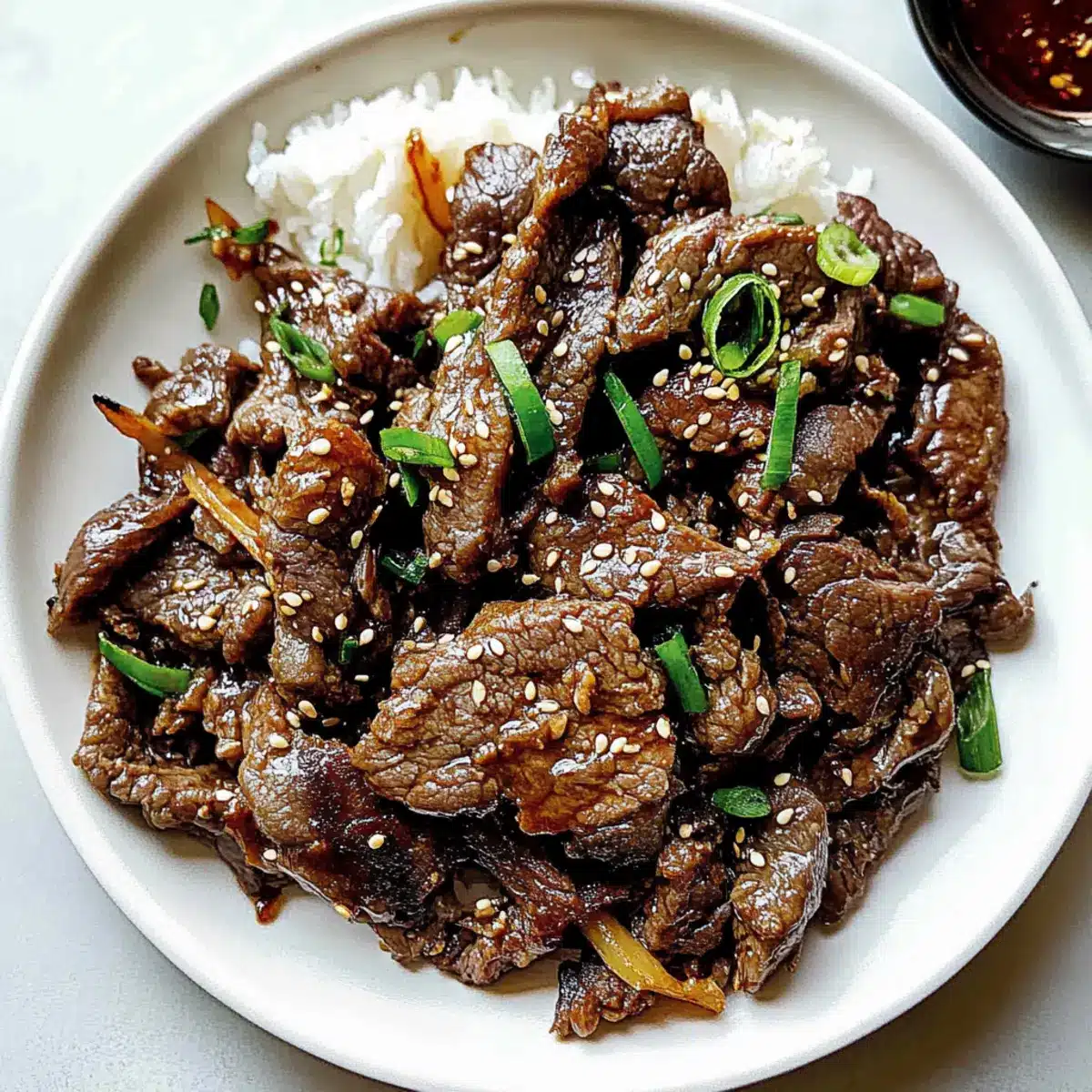
Korean Beef Bulgogi Variations
Feel free to personalize your Korean Beef Bulgogi with these delightful variations that will tantalize your taste buds!
- Lean Beef: Substitute ribeye with sirloin for a leaner yet equally flavorful option.
- Veggie Boost: Add colorful bell peppers or zucchini to your bulgogi for added nutrition and a pop of color!
- Spicy Kick: Optional to mix in some sriracha or gochujang for those who crave a little heat in their dish. The spicy undertone makes every bite more exciting.
- Rice Swap: Use quinoa or cauliflower rice instead of traditional white rice for a healthier base while keeping the flavors vibrant.
- Vegan Version: Swap beef for tofu or tempeh; marinate and cook them the same way for a delightful plant-based experience.
- Fruit Twist: Try adding pineapple to the marinade for a sweet and tangy twist; it brings an unexpected tropical flavor that brightens the dish beautifully.
- Bulgogi Tacos: Turn your bulgogi into fun tacos – just fill soft tortillas with the beef and fresh toppings like cabbage and salsa. A fusion treat that’s quick to make!
- Wrap It Up: Serve your bulgogi in crisp lettuce wraps for a fresh and crunchy alternative that makes for a fun meal.
There’s something wonderful about customizing a classic; ensure to check out my Korean Chicken Bao and Korean Soy Garlic Chicken for even more culinary inspiration!
How to Store and Freeze Korean Beef Bulgogi
Fridge: Store leftover bulgogi in an airtight container in the refrigerator for up to 3 days. Make sure to let it cool completely before sealing to maintain freshness.
Freezer: For longer storage, freeze marinated bulgogi in a freezer-safe bag for up to 2 months. Be sure to remove excess air before sealing to prevent freezer burn.
Thawing: When ready to cook, thaw the Korean Beef Bulgogi in the refrigerator overnight. This ensures safety and helps retain the flavors once you cook it.
Reheating: Reheat in a skillet over medium heat until warmed through, about 5 to 7 minutes, stirring occasionally. Enjoy the dish’s authentic flavors just like fresh!
Expert Tips for Korean Beef Bulgogi
-
Cut Against the Grain: Always slice the ribeye against the grain to ensure maximum tenderness and a delightful chew.
-
Taste the Marinade: Before marinating, taste the marinade to adjust sweetness and saltiness according to your preference.
-
Proper Marination: Marinate for at least 6 hours, or overnight if possible, to deeply enhance the flavor of the beef bulgogi.
-
Avoid Overcrowding: When cooking, avoid overcrowding the skillet. Cook in batches to achieve that perfect caramelization.
-
Use Fresh Ingredients: For the best results, always use fresh garlic and ginger to maximize flavor in your Korean Beef Bulgogi.
-
Adapt & Experiment: Don’t hesitate to mix in your favorite vegetables or spices to personalize your bulgogi recipe and make it your own.
What to Serve with Korean Beef Bulgogi
The delightful flavor of Korean Beef Bulgogi creates a joyful canvas for a complete meal experience.
- Steamed Jasmine Rice: A fragrant, fluffy side that absorbs the rich flavors of the bulgogi, making each bite a harmonious delight.
- Kimchi: This popular Korean fermented side adds a spicy, tangy crunch, perfectly contrasting the savory sweetness of the beef.
- Lettuce Wraps: Crisp lettuce leaves provide a fresh and crunchy vessel for the bulgogi, making each bite refreshingly light yet fulfilling.
- Grilled Vegetables: Charred zucchini, bell peppers, or mushrooms add a smoky flavor that complements the marinated beef beautifully.
- Sesame Spinach Salad: Tender spinach dressed in sesame oil and vinegar brings a vibrant, earthy taste that balances the dish’s richness.
- Korean-Style Tacos: Soft tortillas filled with bulgogi, topped with fresh cilantro and lime create a fun and delicious fusion twist.
- Spicy Cucumber Salad: A refreshing, zesty salad that cuts through the richness while enhancing the overall flavor profile with its crunch.
- Banchan: A selection of traditional Korean side dishes brings variety and visual appeal, offering a feast for both the eyes and the palate.
- Soju or Korean Beer: Enjoy with a cold Soju or a light Korean lager, which pair wonderfully with the delicious umami flavors of the bulgogi.
- Mango Sticky Rice: For dessert, this sweet treat provides a sticky, creamy contrast, leaving a lasting sweet memory after your savory feast.
Make Ahead Options
Korean Beef Bulgogi is an excellent choice for meal prep enthusiasts! You can marinate the beef up to 24 hours in advance, which not only saves you time on busy weeknights but also allows the flavors to deepen beautifully. Simply mix the marinade, toss it with the thinly sliced ribeye and onion, and refrigerate. For longer storage, you can freeze the marinated beef for up to 2 months; just be sure to thaw it in the refrigerator overnight before cooking. When you’re ready to enjoy your bulgogi, cook the marinated beef as directed, and you’ll have a delicious, savory meal that’s just as satisfying as if you made it fresh!
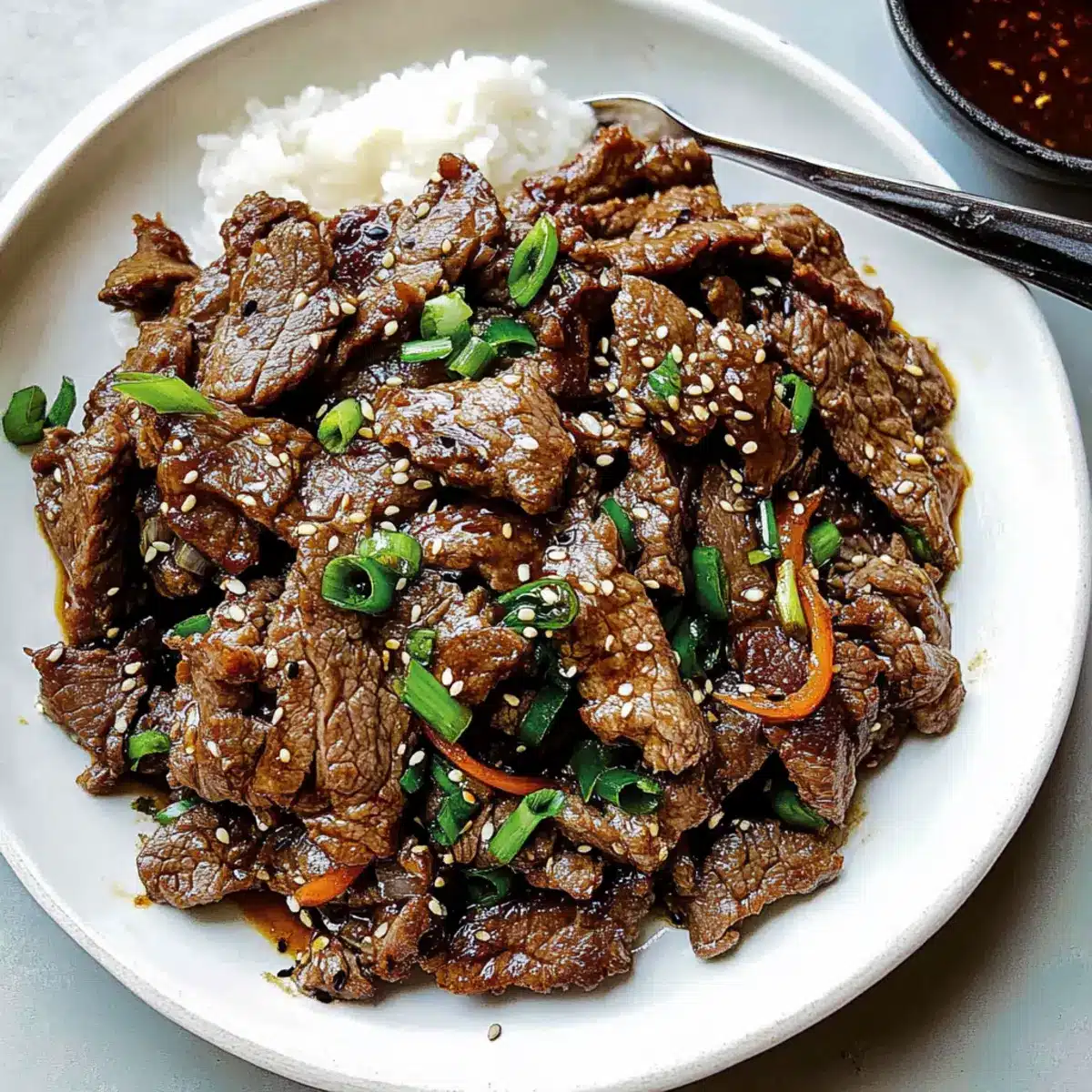
Korean Beef Bulgogi Recipe FAQs
How do I choose ripe Asian pears for the marinade?
Absolutely! Look for Asian pears that are firm and have a smooth, golden-brown skin. Avoid any with dark spots or blemishes, as these can indicate overripeness. A fresh Asian pear should feel slightly heavy for its size, indicating juiciness.
How long can I store leftover Korean Beef Bulgogi in the fridge?
Very good question! Leftover Korean Beef Bulgogi can be stored in the refrigerator for up to 3 days. Be sure to place it in an airtight container and let it cool completely to maintain its delicious flavors and freshness.
Can I freeze Korean Beef Bulgogi, and if so, how?
Yes, absolutely! You can freeze the marinated bulgogi for up to 2 months. First, place the marinated beef in a freezer-safe bag, removing as much air as possible to prevent freezer burn. Always label the bag with the date, and when you’re ready to enjoy it, thaw it overnight in the refrigerator.
What should I do if my beef doesn’t cook evenly?
If you find your beef isn’t cooking evenly, try cooking in smaller batches. Avoid overcrowding the skillet, as this can lead to steaming rather than searing, preventing that delicious caramelization. If necessary, you can adjust the heat up or down slightly for even cooking.
Is Korean Beef Bulgogi safe for my dog to eat?
While it’s safe for humans, it’s best to avoid giving your dog any seasoned beef, including bulgogi. The marinade contains ingredients like soy sauce and garlic that can be harmful to pets. Always offer plain, unseasoned meat to your furry friends.
Can I use other cuts of beef for this recipe?
Yes! If ribeye isn’t available, you can definitely use sirloin or flank steak as alternatives. Just keep in mind that they will produce slightly different textures. Make sure to slice them thinly against the grain for the most tender results!
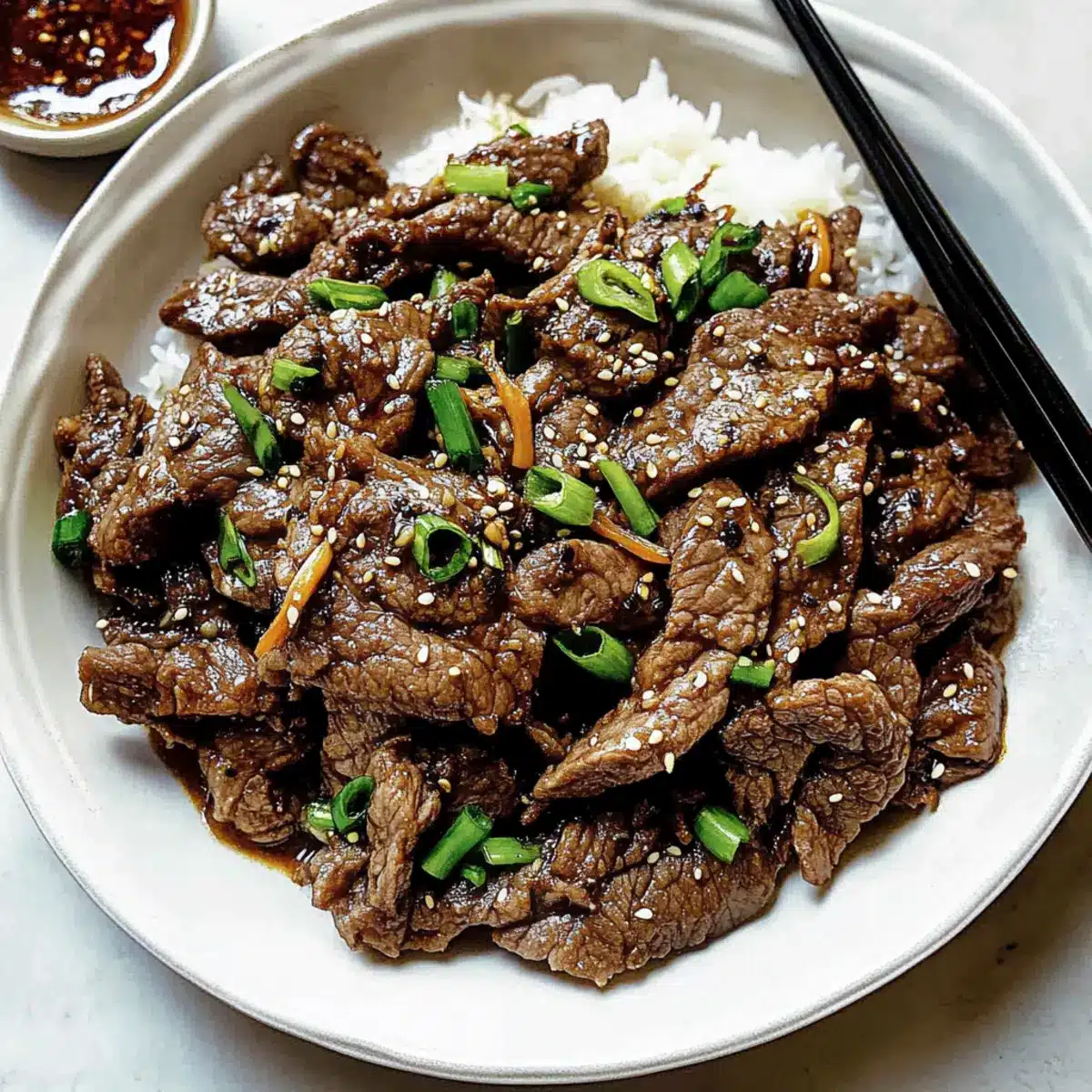
Korean Beef Bulgogi: Sweet, Savory Flavor Explosion at Home
Ingredients
Equipment
Method
- Begin by thinly slicing the boneless ribeye against the grain, ideally about 1/8 inch thick. Place the sliced beef in a mixing bowl along with half of the yellow onion, which should also be thinly sliced. Toss these ingredients gently to combine.
- In a blender, combine soy sauce, brown sugar, mirin, sesame oil, cracked black pepper, Asian pear, garlic, and minced ginger. Blend these ingredients until smooth, creating a luscious marinade. Pour the marinade over the beef mixture and stir gently until all pieces are thoroughly coated.
- Cover the beef and marinade mixture with plastic wrap or a lid, and refrigerate for a minimum of 6 hours, or preferably, overnight for maximum flavor penetration.
- After marinating, heat half the vegetable oil in a large skillet over medium-high heat until shimmering. Add half of the marinated beef to the skillet and spread it out evenly. Cook for 4 to 6 minutes, stirring occasionally, until the beef is cooked through.
- In the same skillet, add the remaining vegetable oil along with the rest of the marinated beef. Spread it out and cook for another 4 to 6 minutes, stirring frequently. Combine the cooked beef from both batches in the skillet.
- Transfer the cooked beef to a serving platter and top generously with sliced green onions and toasted sesame seeds.
Leave a Reply