
As the inviting scent of roasted eggplant wafts through my kitchen, I can’t help but feel transported to a sun-drenched Greek island. This Outrageously Delicious Greek Moussaka is not just a meal; it’s a heartfelt embrace of comfort food that warms your soul. With its decadent layers of tender vegetables and a savory spiced meat sauce, topped off with silky béchamel, this dish is perfect for impressing family and friends alike. Not only is it a crowd-pleaser that’s sure to get everyone gathered around the table, but it’s also a fantastic way to familiarize yourself with the rich flavors of Greek cuisine. Ready to dive into this culinary adventure and make your next dinner a memorable one? Let’s get started!
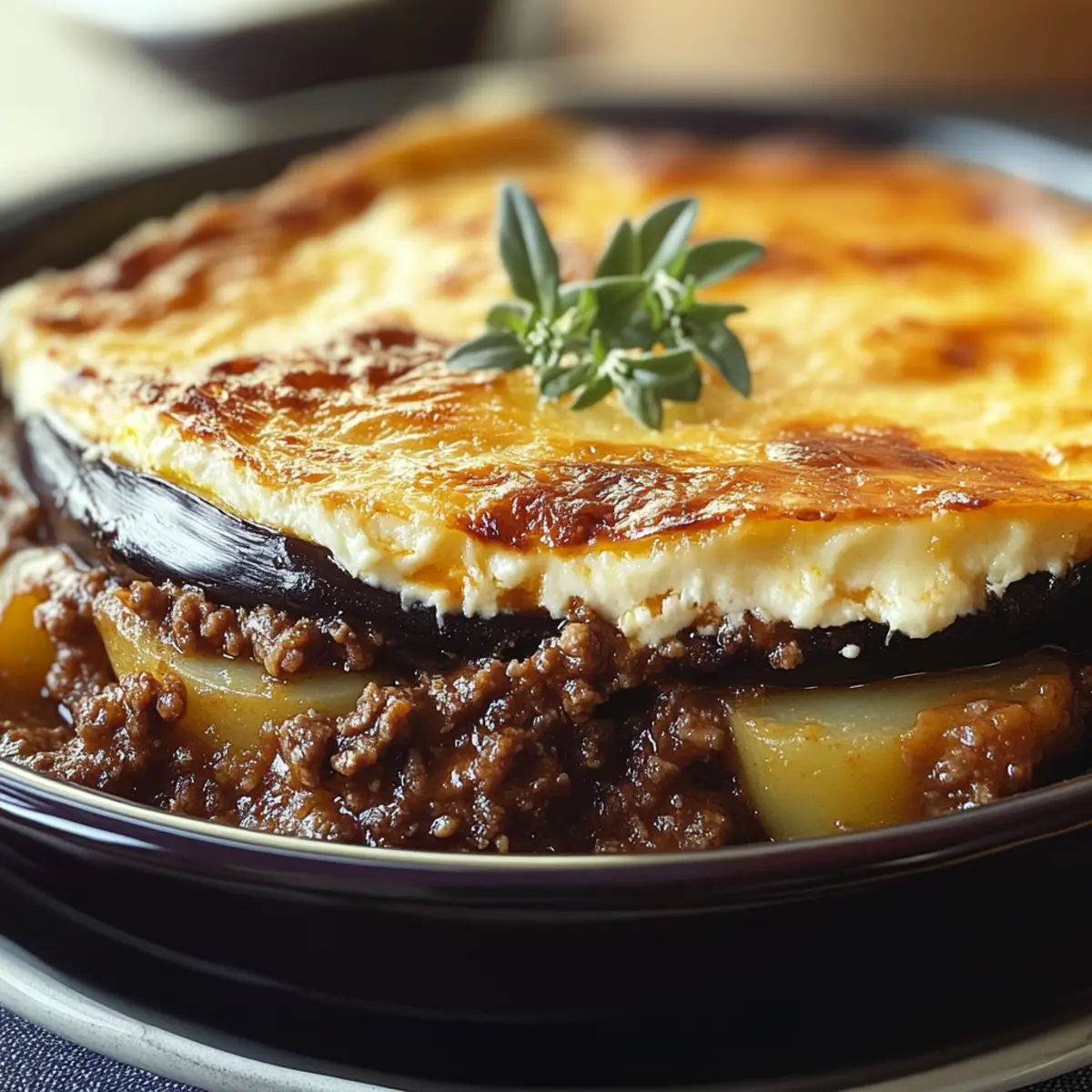
Why is this Greek Moussaka unforgettable?
Rich, Layered Flavors: Each bite is a delightful symphony of roasted eggplant, hearty potatoes, and a spiced meat sauce, topped with creamy béchamel that melts in your mouth.
Versatile Ingredients: You can easily customize this dish by adding extra veggies or even swapping out the meat, making it suitable for various dietary preferences.
Perfect for Meal Prep: This recipe can be prepared in advance, allowing you to save time and deepen the flavors—ideal for busy weeknights or family gatherings.
Crowd-Pleasing Delight: Whether it’s a cozy family dinner or a festive celebration, this moussaka is guaranteed to impress and satisfy everyone at the table.
Experience the magic of Mediterranean cooking with this Greek Moussaka that turns any meal into a festive occasion!
Greek Moussaka Ingredients
• The perfect foundation for a comforting dish.
For the Vegetables
- Eggplants – These absorb flavors beautifully; choose firm, glossy varieties for the best results.
- Potatoes – Essential for hearty layers; their texture adds depth to the dish.
- Zucchini – Provides additional layers and moisture, enhancing texture.
For the Meat Sauce
- Ground Meat (Beef or Lamb) – Choose lamb for a traditional flavor; beef works well too for a heartier option.
- Red Onion – Finely chopped, it sweetens the meat sauce and adds depth.
- Garlic – Freshly minced garlic stands as a fragrant foundation for the sauce.
- Crushed Tomatoes – Use canned varieties to create a rich, robust sauce.
- Red Wine – Adds essential acidity to the sauce, enhancing its overall richness.
- Spices (Cinnamon & Nutmeg) – These are key for distinct Greek flavor; use sparingly but don’t skip them!
- Herbs (Oregano, Thyme, Parsley) – Classic Mediterranean flavor boosters, enhancing aroma and taste.
For the Topping
- Cheese (Kefalograviera or Parmesan) – Essential for achieving that golden, bubbly crust; can substitute with Kasseri or Pecorino if needed.
- Béchamel Sauce Ingredients (Butter, Flour, Milk, Egg Yolks, Nutmeg, Cheese) – Creates a creamy, luscious topping that elevates the entire dish.
Now that you have your Greek Moussaka ingredients, it’s time to dive into the culinary journey of crafting this layered masterpiece!
Step‑by‑Step Instructions for Greek Moussaka
Step 1: Prepare the Vegetables
Begin by slicing the eggplants, zucchini, and potatoes into ¼-inch thick rounds. Sprinkle salt over the eggplant slices and let them rest for 30 minutes to draw out bitterness. This step is essential for a delicious Greek moussaka. Afterward, pat the eggplants dry with paper towels to remove excess moisture and prepare them for frying.
Step 2: Fry the Vegetables
In a large skillet, heat olive oil over medium heat. Carefully fry the eggplant, zucchini, and potato slices in batches until they are golden brown, about 3-4 minutes per side. Drain each batch on paper towels to remove excess oil and ensure your moussaka layers remain moist but not soggy. Set the fried vegetables aside as you move on to the next savory component.
Step 3: Sauté the Aromatics
In a large pot, heat a couple of tablespoons of olive oil over medium heat. Add finely chopped red onion and sauté until it becomes soft and translucent, about 5 minutes. Next, add the minced garlic and cook for an additional minute until fragrant. This aromatic base will elevate the flavors in your Greek moussaka’s meat sauce.
Step 4: Cook the Ground Meat
Introduce your choice of ground beef or lamb to the pot, breaking it apart as it browns. Cook until the meat is thoroughly browned, about 7-10 minutes. Once browned, deglaze the pot with red wine, scraping any flavorful bits off the bottom. Let it simmer for about 5 minutes, allowing the alcohol to cook off and the flavors to meld together.
Step 5: Add the Tomato Sauce
Stir in crushed tomatoes along with your selected spices—cinnamon, nutmeg, oregano, thyme, and parsley. Season generously with salt and pepper. Allow the mixture to simmer over low heat for 10-15 minutes until thickened, stirring occasionally. This rich meat sauce will serve as the heart of your Greek moussaka, marrying all the flavors beautifully.
Step 6: Prepare the Béchamel Sauce
In a saucepan, melt butter over medium heat. Add flour and whisk continuously for about 2 minutes to create a roux. Gradually whisk in milk, stirring until the sauce thickens, roughly 5-7 minutes. Remove from heat and whisk in egg yolks, nutmeg, and cheese until creamy and smooth. This luscious béchamel sauce will crown your moussaka with a delightful finish.
Step 7: Layer the Moussaka
Preheat your oven to 375°F (190°C). In a greased baking dish, layer slices of potatoes on the bottom, followed by fried eggplant and zucchini. Repeat the layering process, then top with the savory meat sauce and finish with a generous layer of béchamel. This multi-layered construction is the key to an authentic Greek moussaka experience.
Step 8: Bake to Perfection
Place the assembled moussaka in the preheated oven and bake for 40-45 minutes, or until the top is golden brown and bubbling. To achieve that perfectly set texture, allow the moussaka to rest for 30 minutes once out of the oven. This resting period makes slicing easier and enhances the rich flavor of every layer, ensuring a comforting dish to enjoy.
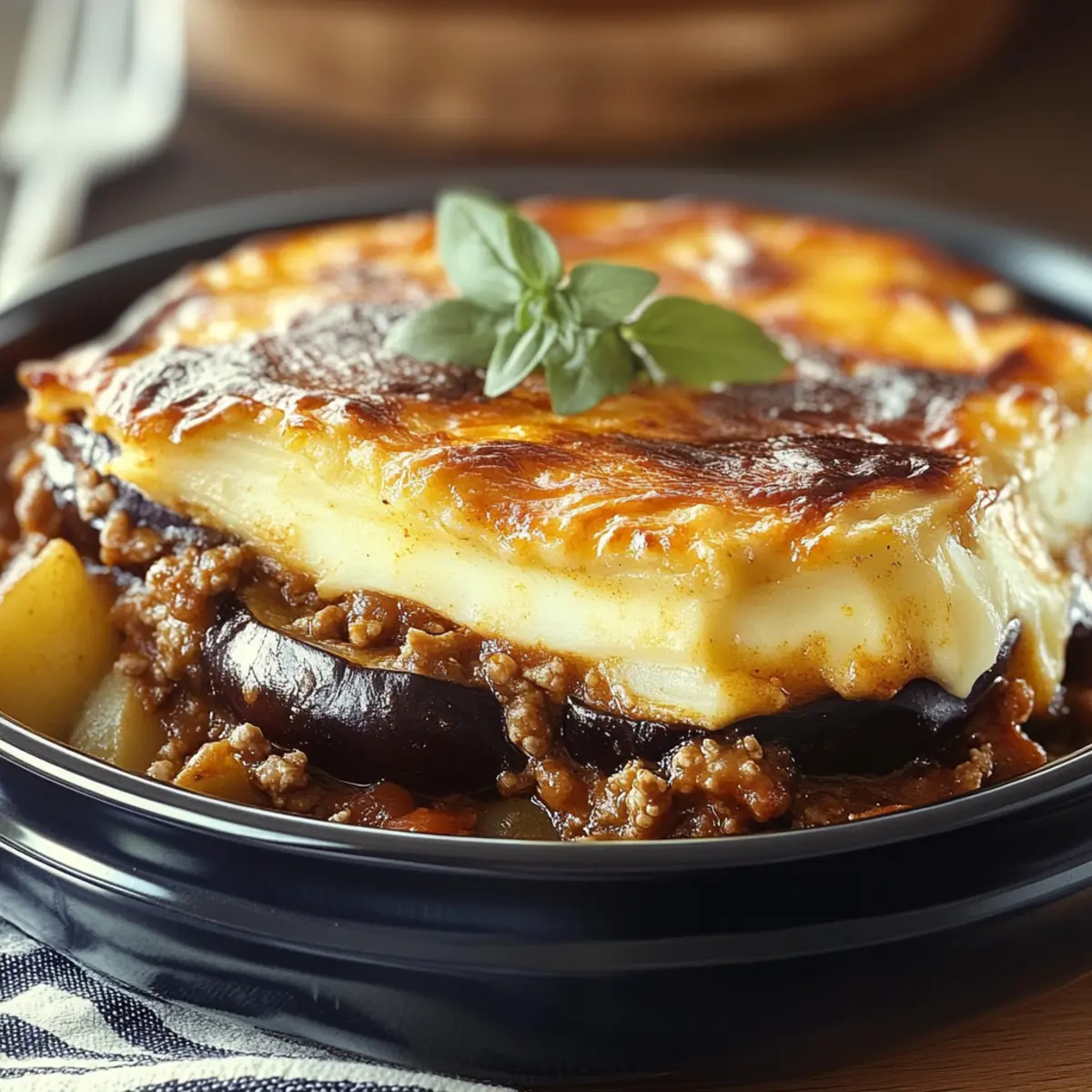
What to Serve with Outrageously Delicious Greek Moussaka
Elevate your dining experience with delightful accompaniments that complement the rich and comforting layers of this traditional dish.
-
Crisp Greek Salad: Fresh cucumbers, tomatoes, and olives provide a refreshing balance to the hearty moussaka and add vibrant colors to your table.
-
Garlic Lemon Bread: Warm, crusty bread brushed with garlic and lemon-infused olive oil enhances each bite, perfect for scooping up moussaka leftovers.
-
Savory Tzatziki Dip: This creamy cucumber yogurt dip enhances the Mediterranean flair of the meal, offering a cool contrast to the warm, spiced layers of moussaka.
-
Roasted Vegetables: Seasoned with oregano and thyme, these complement the moussaka’s flavors while adding a delightful crunch to your plate.
-
Greek Yogurt with Honey: For dessert, a little bowl of creamy Greek yogurt drizzled with honey provides a sweet finish while balancing the richness of the main dish.
-
Red Wine: A glass of dry red wine such as Agiorgitiko or a bold Cabernet Sauvignon enhances the flavors of the moussaka, while setting a sophisticated tone for the meal.
How to Store and Freeze Greek Moussaka
-
Fridge: Store leftovers in an airtight container for up to 3 days. To reheat, simply warm in the oven or microwave until heated through, preserving the delicious flavors.
-
Freezer: Wrap portions of Greek moussaka tightly in foil or plastic wrap, then place in a freezer-safe container. It can be frozen for up to 3 months.
-
Thawing: For best results, thaw overnight in the fridge before reheating, which helps maintain its layered texture and flavor.
-
Reheating: Reheat in a 350°F (175°C) oven, covered with foil, for about 25-30 minutes until thoroughly warmed. Optionally, uncover for the last 10 minutes to restore that lovely golden crust.
Make Ahead Options
These delicious Greek Moussaka are perfect for meal prep enthusiasts! You can assemble the entire dish up to 24 hours in advance, covering it tightly with plastic wrap before refrigerating to maintain freshness. The layers of fried vegetables and meat sauce can also be made 3 days ahead; simply store them separately to avoid sogginess. When ready to enjoy, layer everything in a baking dish, top with the béchamel, and bake straight from the fridge for about 45 minutes until golden and bubbling. This save-ahead strategy not only cuts down on kitchen time but also allows the flavors to deepen, making your Greek Moussaka just as flavorful and satisfying on meal day!
Greek Moussaka Variations & Substitutions
Customize your Greek Moussaka to suit your taste buds and dietary needs with these delightful variations!
- Lamb Switch: Swap ground beef for lamb to embrace the traditional flavor that our Greek friends adore.
- Veggie Delight: Add sliced mushrooms or bell peppers for an extra burst of color and nutrients in your layered masterpiece.
- Meatless Option: Use lentils or chickpeas instead of meat for a hearty vegetarian-friendly alternative that packs in protein.
- Zesty Cheese: Try using feta cheese in your béchamel for a tangy twist that enhances the overall flavor.
- Herb Boost: Fresh basil or dill can be layered between vegetables for an aromatic kick that makes each bite refreshing.
- Dairy-Free Béchamel: For a dairy-free version, substitute milk with almond or oat milk and use a dairy-free cheese to keep that creaminess.
- Spice it Up: Increase the heat by adding red pepper flakes to the meat sauce; it’s a delightful way to turn up the flavor without overpowering.
- Top It Differently: Consider crusting the béchamel with panko breadcrumbs for added crunch and texture, offering a fantastic contrast to the creamy layers.
Feel free to experiment and find your own beloved twist, just like you might do with these delightful Peanut Butter Greek recipes. Discovering what works best for you makes the journey of cooking even more enjoyable!
Expert Tips for Greek Moussaka
-
Pat Dry Vegetables: Ensure to pat dry the salted eggplant before frying; excess moisture can make your moussaka soggy instead of delicious.
-
Layer Evenly: When layering, distribute the vegetables and meat sauce evenly to ensure every serving has a balanced flavor profile in your Greek moussaka.
-
Post-Baking Rest: Let the moussaka rest for at least 30 minutes after baking before slicing; this allows the layers to set, making it easier to serve.
-
Spice Wisely: Don’t skip the cinnamon and nutmeg; they are essential for authentic Greek flavor but use them sparingly to avoid overpowering the dish.
-
Make Ahead: Consider assembling your moussaka a day in advance and refrigerating it overnight; this enhances the flavors and is a great time-saver for busy evenings.
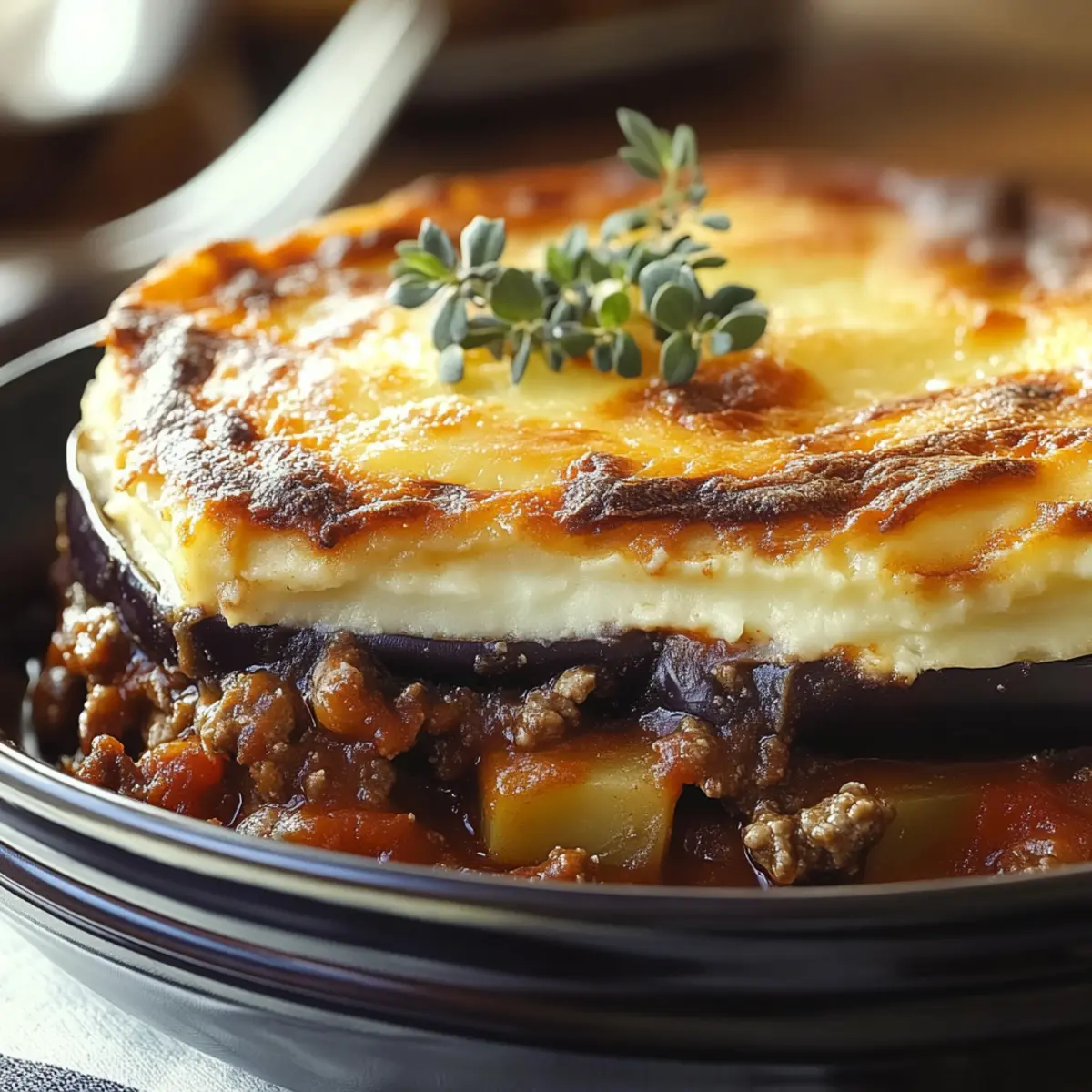
Greek Moussaka Recipe FAQs
How do I select the best eggplants for Greek moussaka?
Absolutely! When choosing eggplants, look for firm, glossy varieties without any bruises or dark spots. The skin should be smooth and the eggplant should feel heavy for its size. This ensures you get the best flavor and texture for your moussaka.
How should I store leftover Greek moussaka?
Very simply! After your delicious moussaka has cooled, store any leftovers in an airtight container in the refrigerator for up to 3 days. When reheating, it’s best to warm it in the oven to preserve the taste and texture.
Can I freeze Greek moussaka, and if so, how?
Absolutely! You can freeze portions of Greek moussaka for up to 3 months. First, wrap it tightly in foil or plastic wrap and then place it in a freezer-safe container. When you’re ready to enjoy it, thaw overnight in the fridge and reheat in the oven at 350°F (175°C) for about 25-30 minutes.
What if I have leftover béchamel sauce? Can I use it differently?
If you have béchamel sauce left over, don’t worry! It’s incredibly versatile. You can use it to elevate vegetables, drizzle it over pasta, or even create a creamy soup. Just store it in an airtight container in the fridge for up to 3 days.
Are there any dietary considerations to keep in mind for Greek moussaka?
Very much so! If you’re cooking for someone with food allergies, be cautious of the dairy in the béchamel and the meat used. You can easily adapt this recipe to be vegetarian by omitting the ground meat and adding more vegetables. Additionally, if you’re serving pets, be careful with the spices, particularly cinnamon and nutmeg, as they can be harmful to them.
What should I do if my béchamel sauce becomes lumpy?
For a smooth béchamel, if you notice lumps, don’t panic! Simply remove your saucepan from heat, let it cool for a few minutes, then use an immersion blender to blend it until creamy. Stirring constantly while cooking can also prevent lumps, so keep those wrists moving!
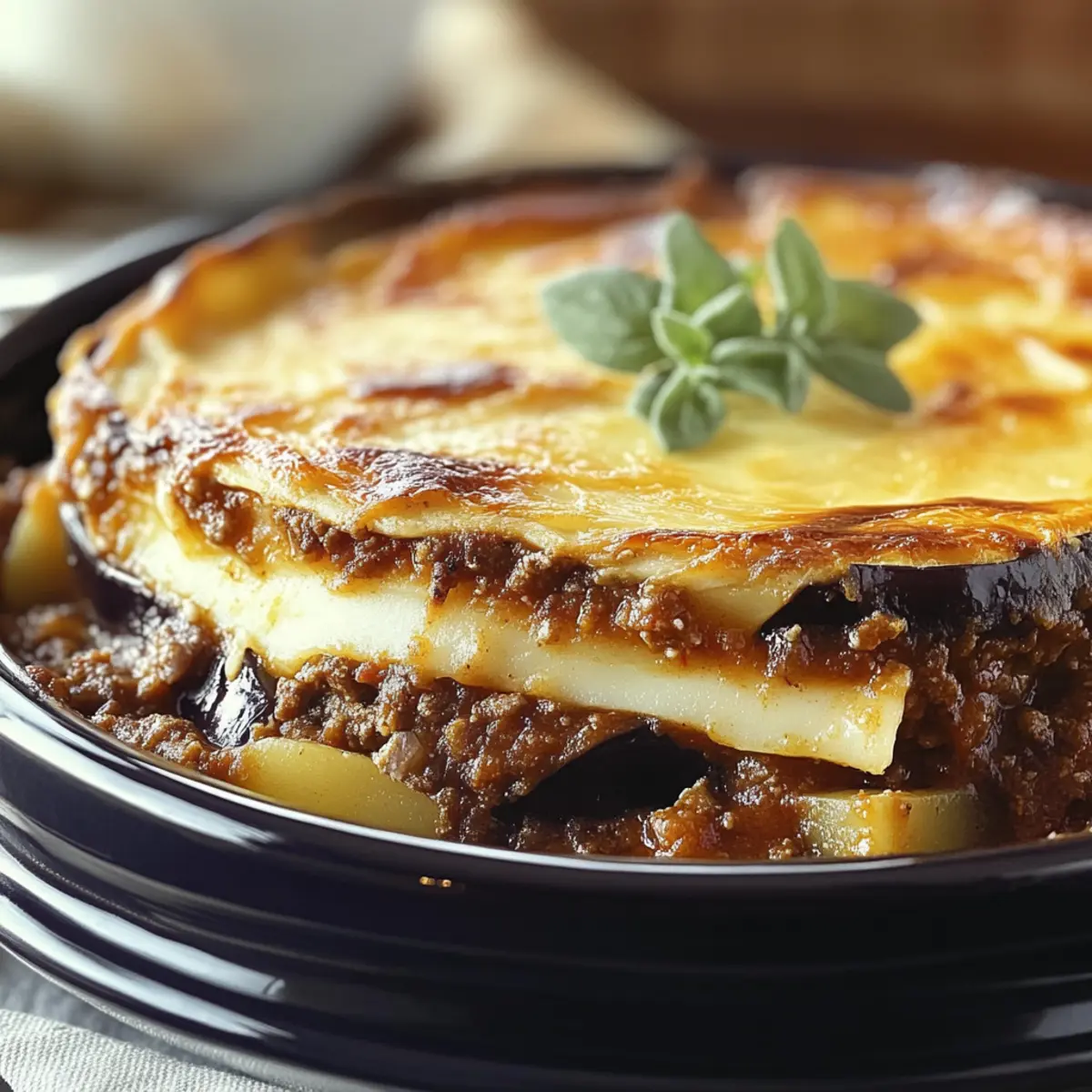
Heavenly Greek Moussaka: A Layered Comfort Food Dream
Ingredients
Equipment
Method
- Slice the eggplants, zucchini, and potatoes into ¼-inch thick rounds. Sprinkle salt over the eggplant slices and let them rest for 30 minutes.
- Pat the eggplants dry with paper towels to remove excess moisture.
- In a large skillet, heat olive oil over medium heat and fry the eggplant, zucchini, and potatoes in batches.
- Drain each batch on paper towels to remove excess oil.
- In a pot, heat olive oil and sauté finely chopped red onion until translucent, adding minced garlic afterward.
- Add ground meat to the pot and cook until browned. Deglaze with red wine and simmer for 5 minutes.
- Stir in crushed tomatoes and spices, and let simmer for 10-15 minutes.
- In a saucepan, melt butter, whisk in flour, then gradually whisk in milk until thickened.
- Remove from heat and whisk in egg yolks, nutmeg, and cheese.
- Preheat oven to 375°F (190°C). Layer potatoes, eggplant, zucchini, and meat sauce in a greased baking dish.
- Top with béchamel sauce and bake for 40-45 minutes until golden and bubbling.
- Let the moussaka rest for 30 minutes before serving.
Leave a Reply