
As I was savoring the last bite of a delightful Japanese meal, I couldn’t help but think about how the perfect accent to my plate was the crispy Asazuke, or Japanese pickled cabbage. This vibrant dish not only adds a crunchy texture and a punch of umami flavor but also comes together in a snap! With just a handful of fresh ingredients and minimal prep time, this quick pickling method makes it an effortless side dish for both busy weeknights and special occasions. Whether paired with savory tonkatsu or served alongside breakfast favorites, Asazuke is a guilt-free way to elevate your meal while infusing it with a delightful tang. Curious about how to whip up this refreshing treat in your own kitchen? Let’s dive into the magic of pickling!
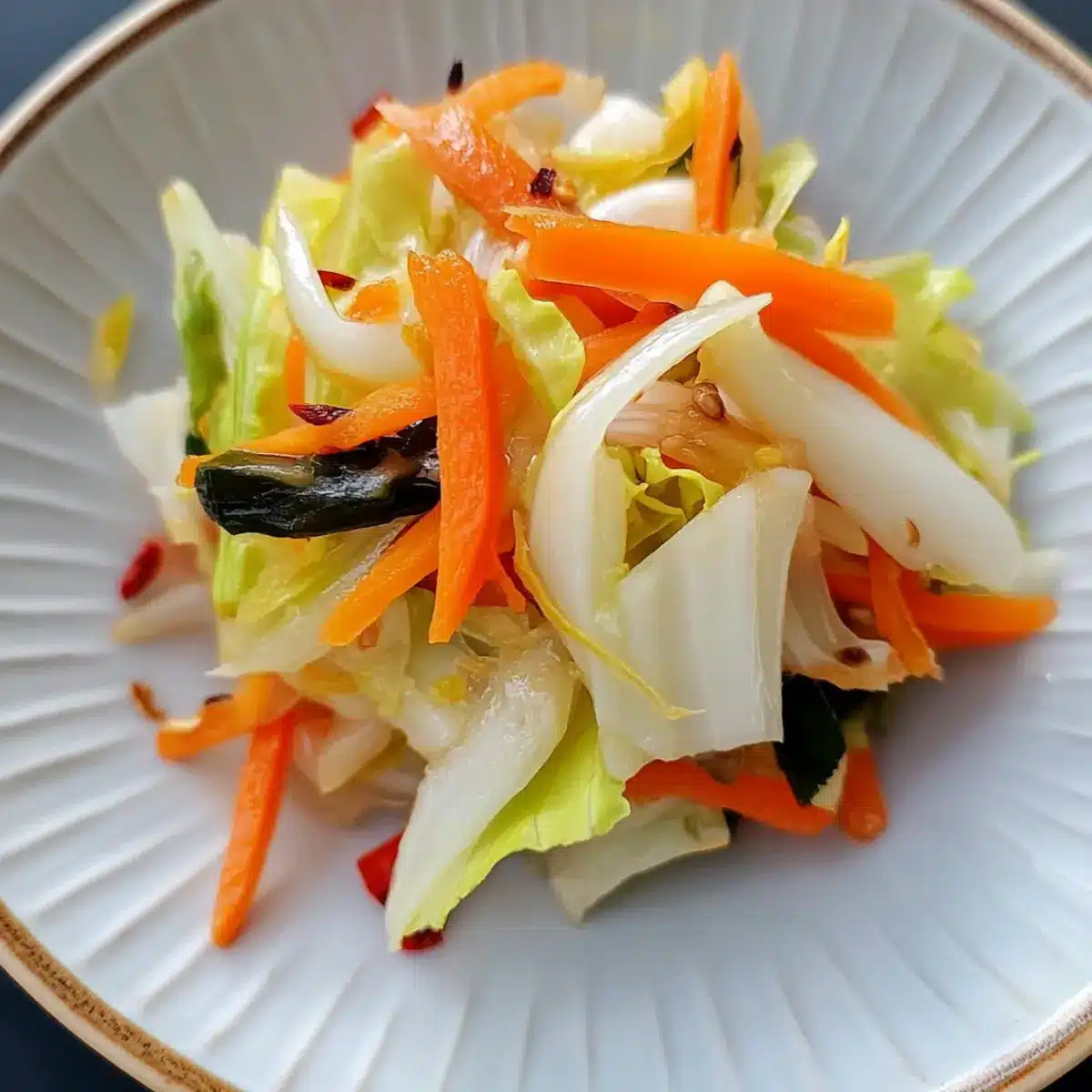
Why Is Asazuke So Irresistible?
Crisp, Fresh Flavor: Each bite of Asazuke bursts with the fresh, zesty punch of pickled vegetables, making it the perfect companion to any dish.
Quick and Easy: With just a few simple steps, you’ll have a delicious side ready in only a couple of hours, perfect for those hectic weeknights or unexpected guests.
Versatile Ingredient Swaps: Feel free to customize the recipe—replace napa cabbage with cucumbers or daikon radish for exciting variations that cater to your taste buds.
Low-Calorie Delight: At approximately 15 kcal per serving, Asazuke is a guilt-free addition to your meals, packing in essential vitamins A and C without the extra calories.
Ideal for Meal Prep: Make a batch ahead of time! Store it in the fridge to enjoy fresh and crunchy pickles for days—a perfect way to brighten up your lunches or dinners.
Ready to make your own Asazuke? With this effortless recipe, you’ll discover a delightful burst of flavor in every crunchy bite!
Asazuke Ingredients
Unlock the secrets to making delicious Asazuke (Japanese Pickled Cabbage) at home!
For the Vegetables
• Napa Cabbage – The foundation of this dish, offering the right crunch; feel free to swap with daikon radish or cucumbers for variety.
• Carrots – Provide natural sweetness and a pop of color; thinly sliced bell peppers can also make a lovely replacement.
• Scallions – They add that lovely onion flavor; if unavailable, green onions or chives are good alternatives.
• Ginger – Delivers a spicy kick and aromatic touch; fresh ginger is best, but you can use powdered ginger in a pinch.
For the Pickling
• Salt – Essential for drawing out moisture; use kosher salt if fine salt isn’t on hand.
• Dried Chili Peppers – Adds a hint of heat and depth; you can omit them or substitute with a pinch of red chili flakes for less spice.
• Kombu – Known for its umami flavor, it enhances overall taste; alternatively, dried shiitake mushrooms work nicely as a substitute.
Get ready to enjoy the tangy, crunchy goodness of homemade Asazuke!
Step‑by‑Step Instructions for Asazuke (Japanese Pickled Cabbage)
Step 1: Prep Vegetables
Begin by preparing your vegetables for the Asazuke. Cut 1 small head of napa cabbage into 2-inch pieces, julienne 1 medium carrot, chop 2 scallions, and mince a 1-inch piece of fresh ginger. As you slice, admire the vibrant colors of the vegetables, which will make your pickles not just tasty but visually appealing too!
Step 2: Combine Ingredients
In a large zip-top bag, combine the chopped napa cabbage, julienned carrot, chopped scallions, minced ginger, and about 2 teaspoons of salt. If you like a bit of spice, add 1-2 dried chili peppers and a piece of kombu for that umami flavor. Gently massage the ingredients in the bag, ensuring everything is well coated, and let the flavors mingle for a few minutes.
Step 3: Seal and Compress
Once the vegetables are thoroughly combined, seal the zip-top bag, removing as much air as possible. Place the sealed bag inside a shallow tray to catch any liquid that may escape. To compress the vegetables, weigh the bag down with another tray or a heavy pot. This pressure helps extract moisture and allows for better pickling—leave it for about 30 minutes to an hour.
Step 4: Pickle
After compressing, let the vegetable mixture sit at room temperature for about 2-3 hours, or refrigerate it overnight for a deeper flavor. During this time, you’ll notice the napa cabbage becoming translucent and releasing its liquid, creating a natural brine for your Asazuke. The vegetables will start to soften while retaining their delightful crunch.
Step 5: Drain and Store
When the pickling time is up, carefully open the bag and drain any excess brine. Transfer your bright, colorful Asazuke to an airtight container, making sure to pack it tightly. For the best flavor and crunch, enjoy your homemade Asazuke within 2-3 days. Keep it refrigerated and feel free to use it as a refreshing side dish to any meal!
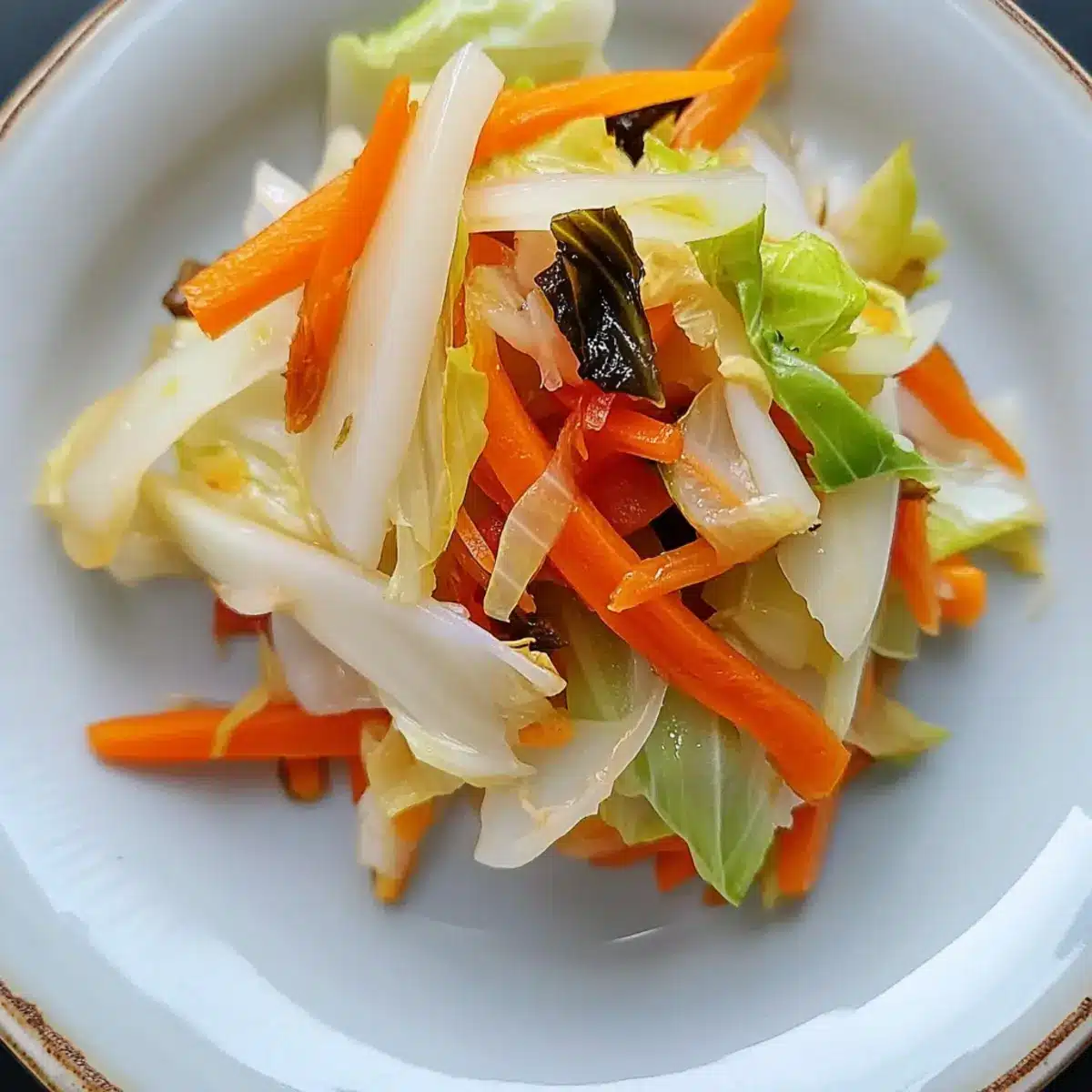
Expert Tips for Asazuke
-
Measure Carefully: Use precise measurements to ensure the salt is around 3% of the total weight of the vegetables. Too little sodium might lead to a weaker brine.
-
Choose Fresh Veggies: Avoid overly wet or wilting vegetables, as they can water down the pickling liquid and affect the final texture of your Asazuke.
-
Try Unique Flavors: For an added depth, consider incorporating green shiso leaves, bringing a fresh herbal note to your pickles that perfectly complements the umami.
-
Chill for Best Results: Allow your Asazuke to pickle overnight in the fridge for an incredible flavor boost. Room temperature pickling is quicker but less flavorful.
-
Store Correctly: Transfer your pickles to an airtight container promptly after pickling to maintain freshness. Enjoy within 2-3 days for the best crunch!
-
Experiment with Variations: Don’t hesitate to swap out vegetables! Daikon radish or different cucumber types can create exciting new textures and tastes in your Asazuke.
What to Serve with Quick and Crunchy Asazuke?
As you prepare your Asazuke, consider these delightful pairings that will enhance your mealtime experience.
-
Fluffy Japanese Rice: A bowl of warm, fluffy rice is the ideal base for enjoying the crunchy Asazuke, balancing its salty flavor with comforting simplicity.
-
Tonkatsu: This crispy pork cutlet and Asazuke make a dynamic duo, offering layers of texture and flavor that dance on your palate.
-
Savory Tamagoyaki: Sweet and savory Japanese omelette complements the tangy freshness of Asazuke, enriching the breakfast table with delightful contrasts.
-
Grilled Fish: Lightly seasoned grilled fish adds savory depth to the refreshing Asazuke, making every bite a delightful mix of flavors and textures.
-
Steamed Edamame: A bowl of these tender soybeans provides a nutty crunch that pairs beautifully with the pickled taste of the Asazuke, enhancing the overall meal experience.
-
Chilled Sake: This refreshing rice wine beautifully complements the vibrant flavors of Asazuke, bringing a lovely chill to your dining affair.
-
Miso Soup: A warm, umami-rich miso soup can balance the acidity of the Asazuke, creating a well-rounded meal infused with comfort and tradition.
-
Fresh Sliced Cucumbers: Add extra crunch with fresh cucumbers drizzled in soy sauce or sesame; the flavors harmonize while keeping the meal light and refreshing.
-
Japanese Pickles: Serve a variety of pickles on the side to create a tantalizing medley of flavors, enhancing the overall experience with their crunch and zest.
Elevate your dining experience and relish the crunchy goodness of Asazuke with these delightful companions!
Storage Tips for Asazuke
-
Fridge: Keep your Asazuke in an airtight container in the refrigerator for up to a week. This helps maintain its crunchy texture while protecting it from other food odors.
-
Freezer: While not recommended for long-term storage, if needed, you can freeze the Asazuke for up to a month. Be aware that freezing may slightly alter the texture.
-
Consume Quickly: For the best flavor and crunch, aim to enjoy your homemade Asazuke within 2-3 days of preparation. Fresh pickles truly shine!
-
Reheating: Asazuke is best served cold or at room temperature. If you prefer it warm, have a quick stir-fry, but avoid prolonged heating to retain its delightful crunch.
Make Ahead Options
Asazuke (Japanese Pickled Cabbage) is a fantastic recipe to make ahead, perfect for busy weeknights or meal prepping! You can prepare the vegetable mixture—chopped napa cabbage, julienned carrots, scallions, minced ginger, and salt—up to 24 hours in advance. Simply combine all the ingredients in a zip-top bag, massage to coat, and store it in the fridge until you’re ready to pickle. When it’s time to serve, just compress the bag as directed and let the mixture sit for 2-3 hours at room temperature or overnight for deeper flavor. Your Asazuke will remain just as delicious, crunchy, and vibrant, enhancing your meals with ease!
Asazuke (Japanese Pickled Cabbage) Variations
Feel free to make this delightful dish your own by exploring these fun twists!
- Dairy-Free: Substitute any creamy accompaniments with tahini or avocado. These will bring richness without dairy.
- Spice It Up: Add a dash of sesame oil for an aromatic flavor that brings warmth and depth to your Asazuke.
- Veggie Variety: Swap napa cabbage with radishes or mixed bell peppers for a colorful and crunchy alternative. Experiment with your favorite crisp vegetables for unique flavors.
- Sweet and Tangy: Incorporate a splash of rice vinegar for extra acidity and a vibrant kick that enhances the overall taste.
- Herbaceous Touch: Stir in fresh herbs like cilantro or mint just before serving, adding a refreshing twist that elevates your pickles.
- Crunch Boost: Top with toasted sesame seeds or crushed nuts for a delightful added texture and flavor contrast.
- Citrus Zest: Grate some lemon or lime zest into the mix to brighten the flavor profile while adding a zesty aroma.
These variations bring your Asazuke to new heights, ensuring that every bite delivers a fresh burst of flavor! And while you’re at it, consider making this dish a companion to other delicious meals. Pair it with heavier items like [tonkatsu](internalLink) for a delightful balance or enjoy it as part of a wholesome breakfast spread alongside [tamagoyaki](internalLink).
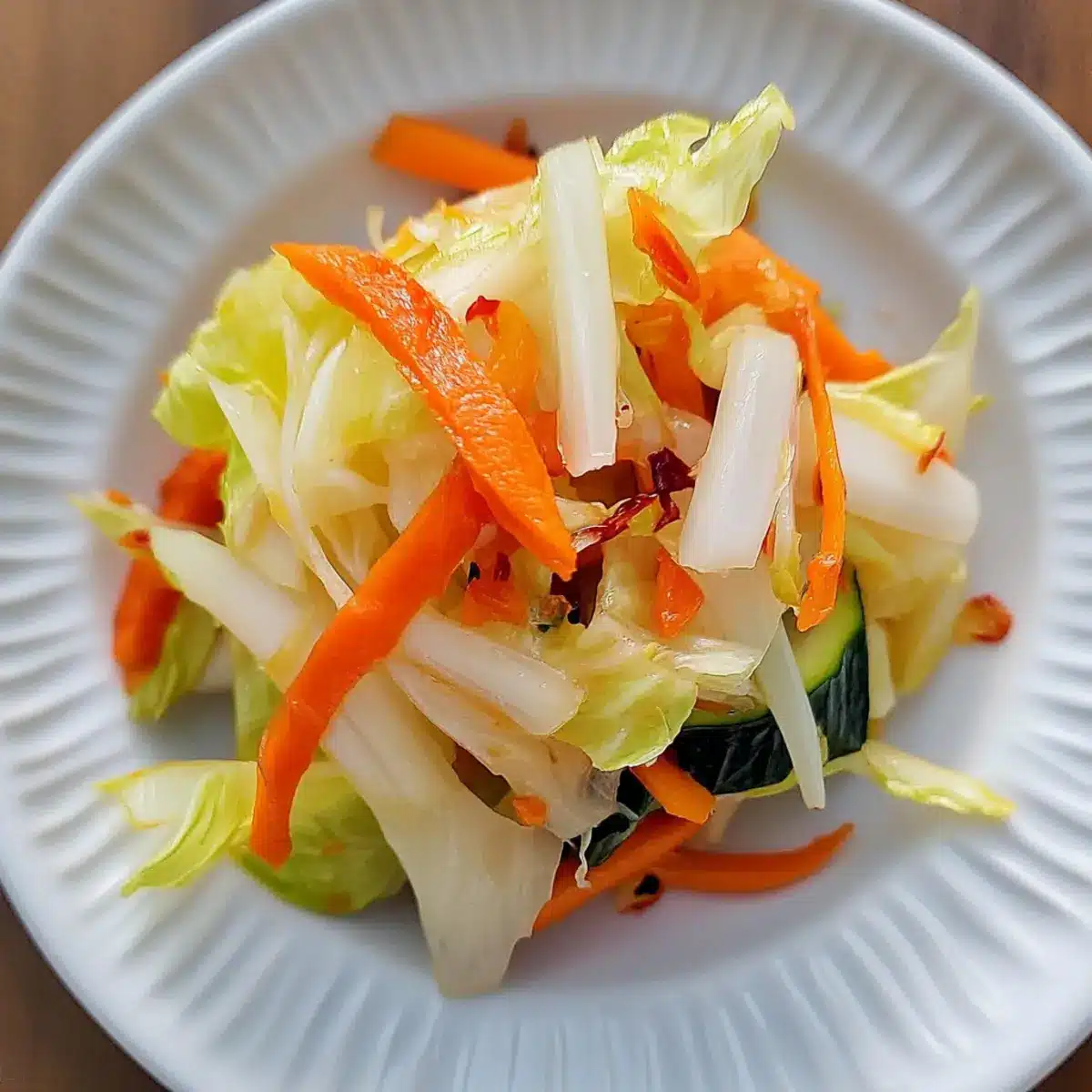
Asazuke (Japanese Pickled Cabbage) Recipe FAQs
What type of cabbage is best for Asazuke?
Absolutely! Napa cabbage is the star of Asazuke, providing the perfect structure and crunch. If you want to mix things up, consider daikon radish or even cucumbers for a delightful twist.
How should I store leftover Asazuke?
You can store your Asazuke in an airtight container in the refrigerator for up to a week. This ensures the pickles maintain their crunchy texture and helps protect them from other food odors.
Can I freeze Asazuke?
While it’s not ideal for long-term storage, you can freeze Asazuke for up to a month. Just keep in mind that freezing may alter the texture, making it a bit softer when thawed. If you decide to freeze, first drain any excess brine and pack it tightly in a freezer-safe container.
What do I do if my Asazuke is too salty?
If your Asazuke turns out too salty, don’t fret! You can balance the flavors by rinsing the pickles under cold water for a moment before serving. This helps remove some excess salt and preserves the tasty crunch.
Are there any dietary considerations for Asazuke?
Definitely! Asazuke is a vegetarian, low-calorie, and gluten-free option, making it suitable for various dietary preferences. However, if you have allergies to specific vegetables, you might want to choose substitutions that work for you—bell peppers can replace carrots, for example.
How can I enhance the flavor of my Asazuke?
To amp up the flavor profile, consider adding some green shiso leaves for that extra herbal kick or a splash of rice vinegar for a tangier taste. You can also mix in other crunchy vegetables based on your preference!
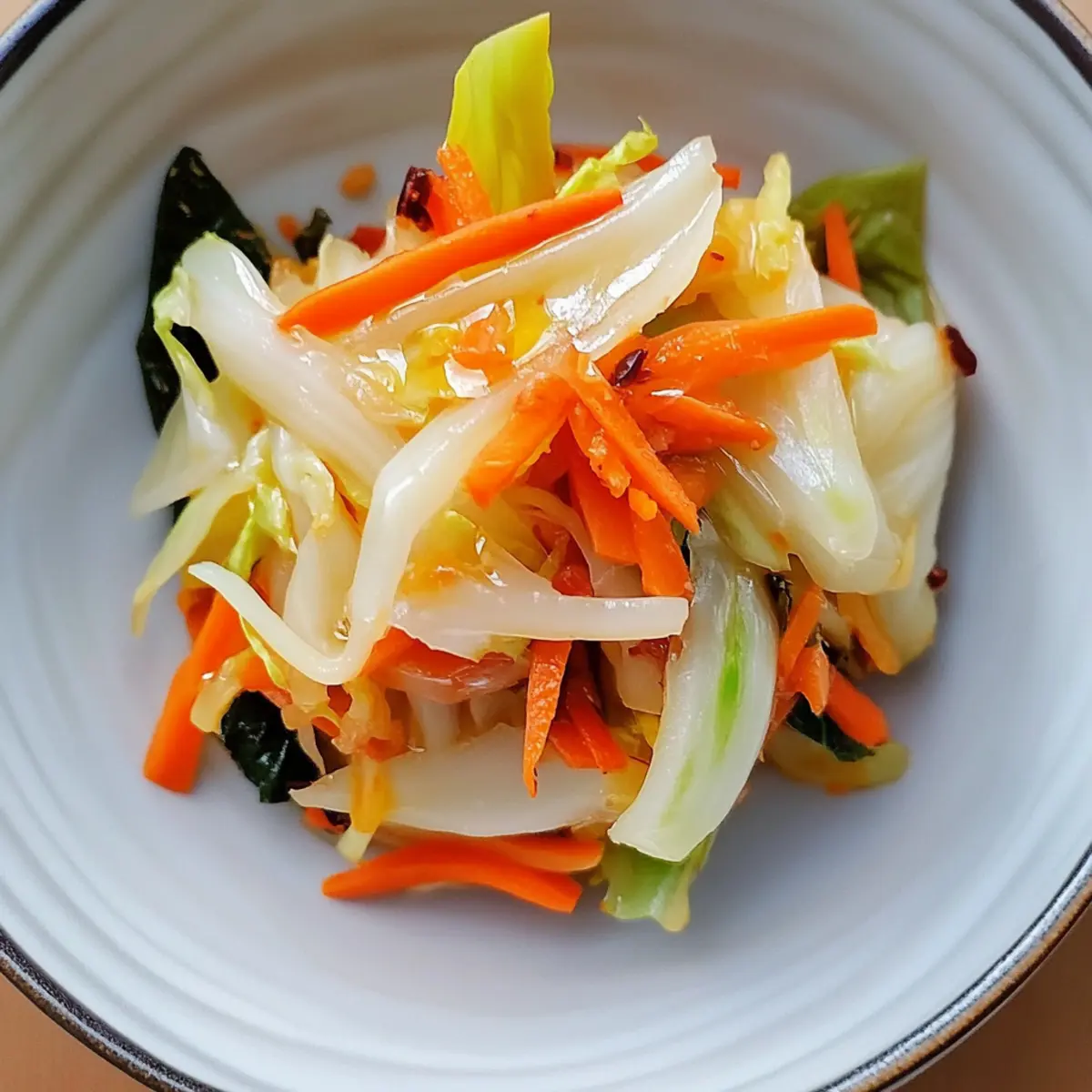
Delicious Asazuke: Refreshing Japanese Pickled Cabbage Recipe
Ingredients
Equipment
Method
- Begin by preparing your vegetables for the Asazuke. Cut the napa cabbage into 2-inch pieces, julienne the carrot, chop the scallions, and mince the ginger.
- In a large zip-top bag, combine the chopped napa cabbage, julienned carrot, chopped scallions, minced ginger, and about 2 teaspoons of salt. Add dried chili peppers and kombu if desired, then gently massage the ingredients.
- Seal the zip-top bag, removing as much air as possible. Place the sealed bag inside a shallow tray and weigh it down with another tray or a heavy pot for 30 minutes to an hour.
- After compressing, let the vegetable mixture sit at room temperature for 2-3 hours or refrigerate overnight.
- When ready, open the bag and drain excess brine. Transfer the Asazuke to an airtight container and enjoy within 2-3 days.
Leave a Reply