
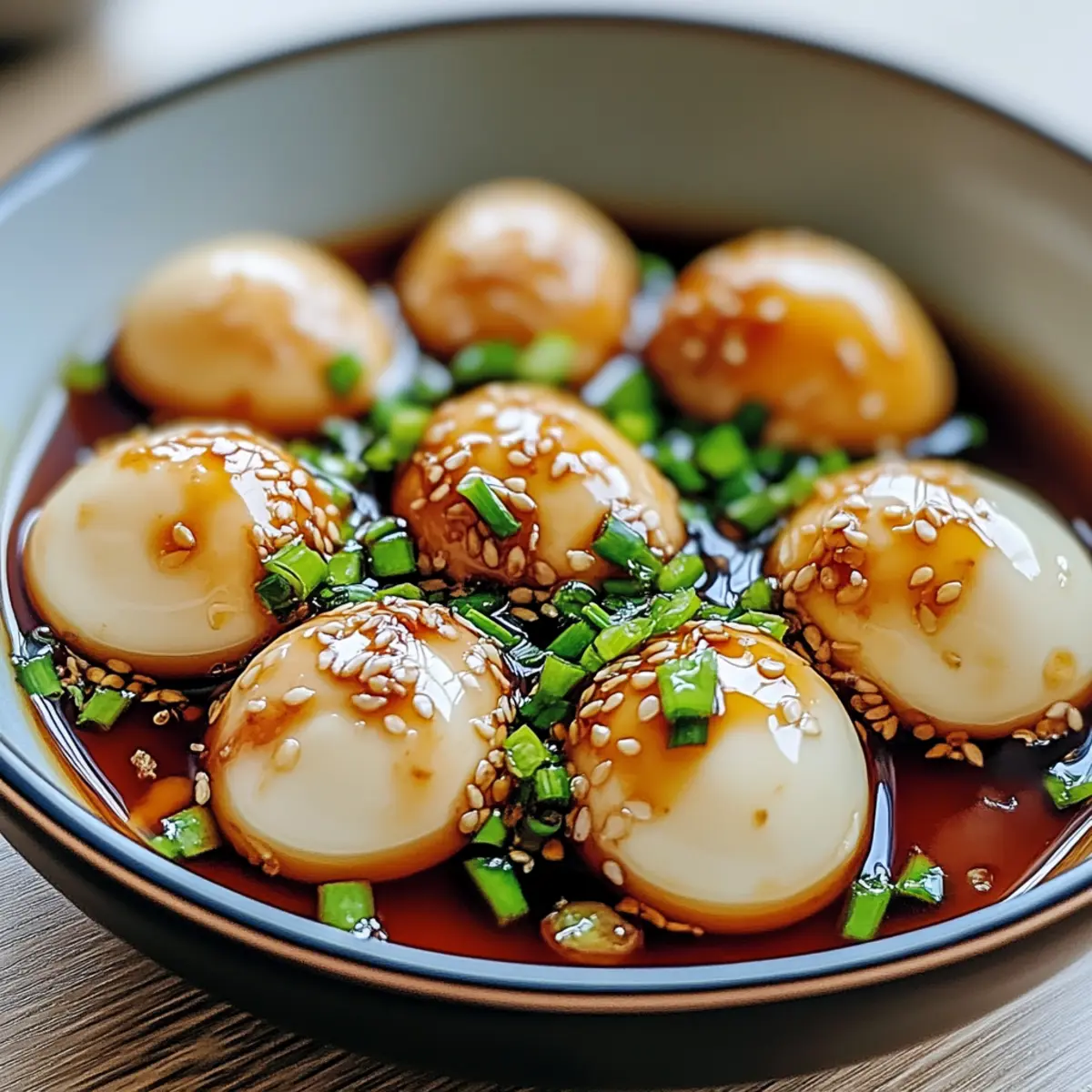
Have you ever stumbled upon a dish that feels just like a warm hug on a plate? That’s exactly what Korean Marinated Eggs, or Mayak Gyeran, deliver—comfort and delight in every bite. This addictive recipe combines the creamy luxury of soft-boiled eggs with a deeply savory soy sauce marinade, creating a flavor profile that will captivate your taste buds. Not only are these marinated eggs a sumptuous snack, but they can also elevate any rice bowl or salad with ease. Best of all, they come together in just about 30 minutes, making them a quick and impressive addition to your dining table. Curious how such simple ingredients can transform into a mouthwatering delicacy? Let’s dive into the world of Korean flavors and discover the magic behind these marinated eggs!
Why Are These Marinated Eggs Addictive?
Addictive flavor is the name of the game! The rich soy sauce marinade envelops each egg, making them irresistibly tasty and perfect for snacking. Quick and Easy to prepare, you can whip up this dish in about 30 minutes, which is perfect for busy days. Versatile in nature, these marinated eggs complement rice bowls or salads beautifully, adding a delightful touch to your meals. Gluten-Free Option: Simply substitute tamari for soy sauce, accommodating various dietary needs. You’ll find these eggs are perfect for entertaining or a cozy night in, showcasing the beauty of Korean cuisine! For more delightful takes on eggs, check out our Cheese Scrambled Eggs and Eggs Hash Brown.
Marinated Eggs Ingredients
• Get ready to create magic with these marinated eggs!
For the Eggs
- Large Eggs – Fresh eggs are essential for achieving the best flavor and texture.
For the Marinade
- Low-Sodium Soy Sauce – Offers a savory depth; substitute with tamari for a gluten-free option.
- Mirin – Adds a touch of sweetness and umami; a mix of rice vinegar and sugar works in a pinch.
- Sesame Oil – Infuses a rich nutty flavor; can be replaced with vegetable oil if needed.
- Minced Garlic (optional) – Provides an aromatic kick; adjust amount based on your taste.
For Garnishing
- Green Onions – Freshens up the presentation; use chopped or sliced as a lovely garnish.
Step‑by‑Step Instructions for Korean Marinated Eggs
Step 1: Boil the Eggs
Start by placing your large eggs in a pot and cover them with cold water, ensuring they are fully submerged. Bring the water to a gentle boil over medium heat, then cover the pot and reduce heat to low, letting the eggs cook for 10-12 minutes for hard-boiled or 6-8 minutes for soft-boiled eggs. You’ll know they’re done when the egg whites are set and the yolks are cooked to your desired firmness.
Step 2: Ice Bath Preparation
While the eggs are boiling, prepare an ice bath by filling a large mixing bowl with ice and cold water. This will quickly cool the boiled eggs and stop the cooking process, preventing overcooking. You want to have this ready before the eggs finish boiling so you can transfer them immediately.
Step 3: Cool Eggs
Once the eggs are cooked to perfection, carefully transfer them into the ice bath using a slotted spoon to avoid cracking. Let them sit for about 5 minutes, allowing them to cool down thoroughly. The drastic temperature change helps make peeling easier, resulting in beautiful, intact eggs for your marinated eggs dish.
Step 4: Peel the Eggs
After cooling, gently tap the eggs on a hard surface to crack the shell, then peel them under running water for added ease. The running water helps to remove any stubborn bits of shell without damaging the soft or hard-boiled whites. Set the peeled eggs aside on a clean kitchen towel to drain.
Step 5: Make Marinade
In a mixing bowl, combine the low-sodium soy sauce, mirin, and sesame oil. If you’re using minced garlic, add it now for a fragrant twist. Whisk the mixture until it’s well-blended, creating a rich and savory marinade that will infuse the eggs with delightful flavor. This marinade is crucial for making your Korean marinated eggs utterly irresistible.
Step 6: Marinate the Eggs
Gently submerge the peeled eggs into the marinade, ensuring they are fully coated. Cover the bowl tightly and refrigerate for at least 2 hours or, for the best flavor, overnight. The longer the eggs sit, the more they absorb the bold flavors from the marinade, making these marinated eggs a delightful addition to your meals.
Step 7: Serve the Marinated Eggs
Once marinated, remove the eggs and slice them in half to reveal the beautifully infused yolk. Serve them as a snack, side dish, or garnish atop a refreshing salad or rice bowl. Finish with a sprinkle of chopped green onions for an additional burst of freshness, and enjoy the flavorful wonders of your homemade Korean marinated eggs!
Make Ahead Options
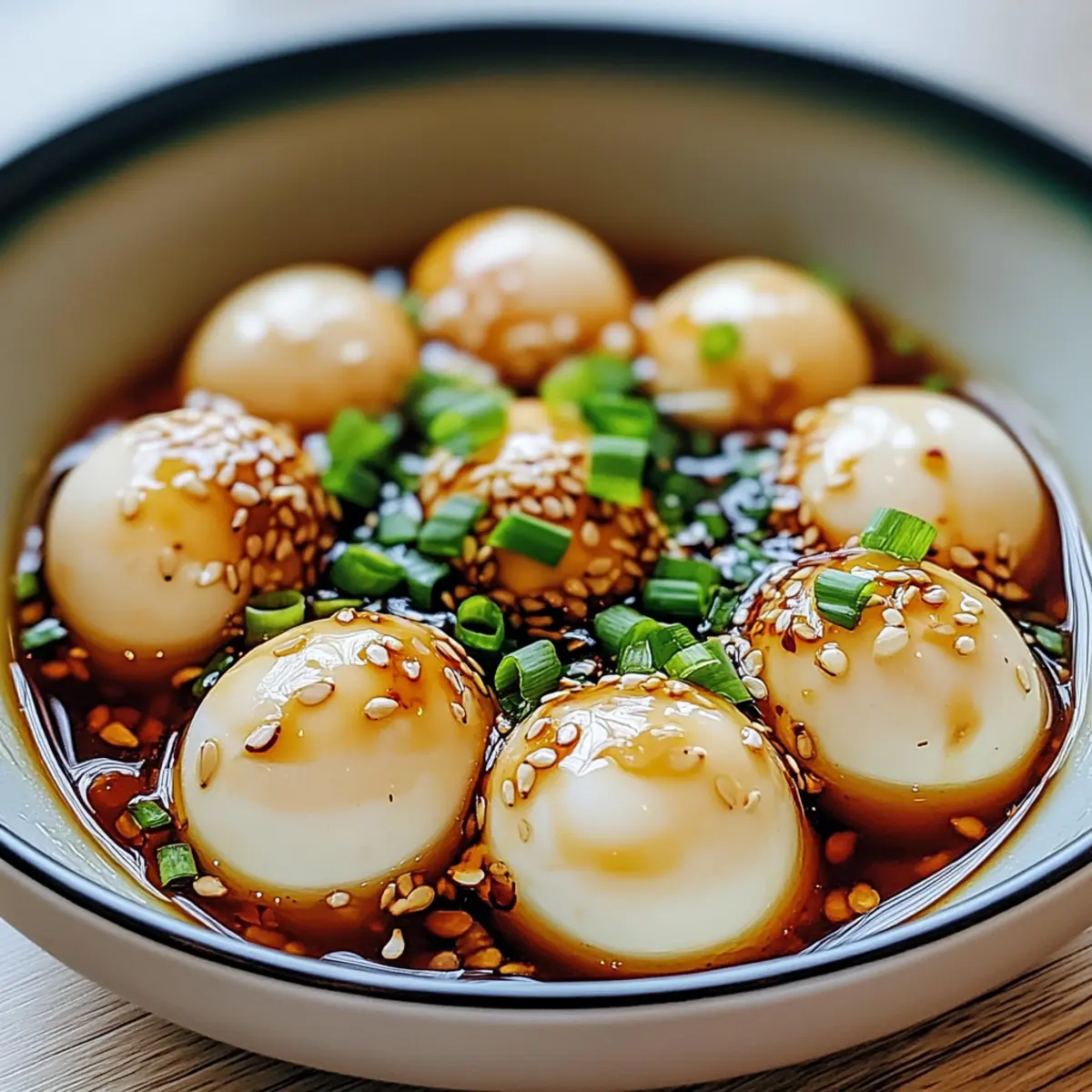
Korean Marinated Eggs are perfect for busy home cooks looking to save time during the week! You can prepare the eggs by hard-boiling them and cooling them in an ice bath up to 24 hours in advance. Once cooled, simply peel the eggs and store them in an airtight container. The marinade can also be made ahead of time and kept in the refrigerator for up to 3 days. To marinate, immerse the peeled eggs in the marinade at least 2 hours before serving—ideally overnight to enhance flavor. Just remember, for the best results and to maintain quality, avoid marinating the eggs for more than 12 hours to prevent them from becoming overly salty. With these make-ahead tips, you’ll enjoy the delightful flavors of these Marinated Eggs with minimal effort!
How to Store and Freeze Marinated Eggs
- Fridge: Store your marinated eggs in an airtight container submerged in their marinade for up to one week. This helps maintain their flavor and texture.
- Freezer: While it’s best to enjoy marinated eggs fresh, you can freeze them for up to 3 months. Coat the eggs in the marinade, then wrap tightly in plastic wrap before placing in a freezer bag.
- Thawing: When ready to enjoy, thaw the frozen marinated eggs in the fridge overnight. Avoid refreezing once thawed to keep the eggs’ texture intact.
- Reheating: Serve the marinated eggs cold or at room temperature. If you prefer them warm, gently heat them in a microwave for a few seconds, but be careful not to overcook!
Helpful Tricks for Marinated Eggs
-
Use Fresh Eggs: Ensure you’re using the freshest eggs possible for better flavor and marinating. Older eggs can have off-flavors that dull the dish.
-
Timing is Key: Avoid over-marinating! Keep it to 12 hours max; any longer and the eggs can become overly salty and challenging to enjoy.
-
Customize the Marinade: Feel free to add a splash of spice like chili paste or ginger to the marinade for an exciting kick. This can enhance the addictive nature of your marinated eggs.
-
Seal it Tight: Store your marinated eggs in an airtight container submerged in the marinade to maintain their delightful flavor and texture for up to a week.
-
Perfect Peeling: Peeling under running water can save you the frustration of stubborn shells sticking to the egg whites, ensuring your marinated eggs look as good as they taste.
What to Serve with Korean Marinated Eggs
Imagine creating a delightful spread that harmonizes with the savory, rich flavors of your marinated eggs while showcasing a feast for the senses.
-
Steamed White Rice: Perfectly fluffy rice acts as a lovely canvas for the flavor-packed eggs, absorbing their wonderful marinade.
-
Spicy Kimchi: The crunchy, tangy kimchi provides a bold contrast, enhancing the savory notes of the eggs while adding a refreshing kick.
-
Sesame Spinach Salad: A quick salad with tender spinach and a light sesame dressing brings a fresh, green element that complements the richness of the eggs.
-
Cucumber Pickles: Refreshing pickled cucumbers offer a bright, zingy balance, cutting through the savory flavors for an invigorating bite.
-
Savory Soy Sauce Noodles: Soft noodles tossed in soy sauce harmonize seamlessly with the marinated eggs, adding a delightful chewy texture that marries well.
-
Hotteok (Sweet Korean Pancakes): For a sweet twist, serve these warm, fluffy pancakes filled with brown sugar and nuts, providing a dessert-like contrast to the savory eggs.
-
Chilled Soju or Sparkling Water: Sip on refreshing drinks like soju for a traditional touch or sparkling water with lemon to cleanse the palate between bites of this exquisite dish.
Marinated Eggs Variations & Substitutions
Feel free to tailor these marinated eggs to your taste preferences and dietary needs for a delightful twist!
- Gluten-Free: Substitute low-sodium soy sauce with tamari to keep it gluten-free without sacrificing flavor.
- Spiced Up: Add a teaspoon of gochugaru (Korean red pepper flakes) to the marinade for an extra kick and a touch of heat.
- Vegetable Infusion: Toss in thin slices of ginger or radish in the marinade for added freshness and a zingy contrast.
- Sweet Twist: Increase the mirin or add a teaspoon of honey for a bit more sweetness in your marinade.
- Herb Enhancement: Incorporate fresh herbs like cilantro or basil for a refreshing aromatic experience paired with the savory eggs.
- Texture Variation: For a different flavor profile, sprinkle sesame seeds or crushed peanuts as a topping just before serving.
- Savory Depth: Consider adding a splash of fish sauce to the marinade for an umami boost and a deeper flavor complexity.
- Japanese Flair: Swap the sesame oil for a touch of yuzu juice or citrus zest, giving these eggs a light and bright flavor reminiscent of Japanese cuisine.
These variations will make your marinated eggs a versatile treat! As you explore different flavors, don’t forget to pair them with other egg-centric dishes like Cheese Scrambled Eggs or Eggs Hash Brown for delightful meal combinations.
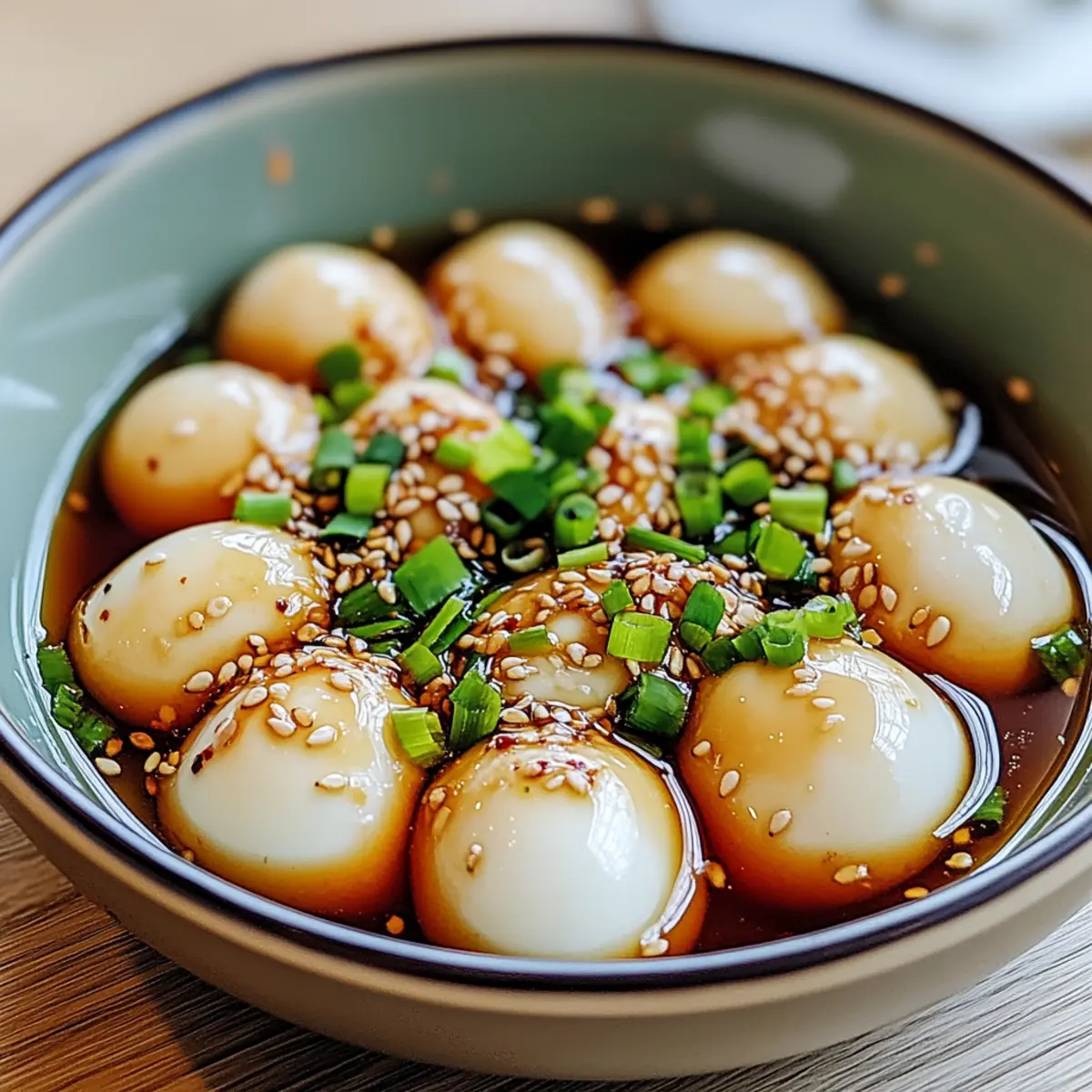
Korean Marinated Eggs (Mayak Gyeran) Recipe FAQs
How do I select the best eggs for this recipe?
Absolutely! For the best results, opt for fresh large eggs. Fresh eggs not only taste better but also have a firmer texture that holds up beautifully when marinated. Look for eggs with intact shells and no dark spots or unusual odors, which can indicate age.
What’s the best way to store leftovers?
Very! To keep your marinated eggs fresh, store them in an airtight container completely submerged in their soy sauce marinade. This will help maintain their delightful taste and texture for up to one week in the fridge. Remember to keep them covered to avoid any moisture loss.
Can I freeze marinated eggs?
Absolutely! You can freeze your marinated eggs for up to 3 months if you want to save them for later. To do this, first coat the eggs in the marinade, then wrap each egg tightly in plastic wrap. Place them in a freezer-safe bag or container. When you’re ready to enjoy, thaw them in the fridge overnight.
What if my eggs are rubbery after boiling?
No worries! If your eggs turn out rubbery, it might be due to overcooking. After boiling, leaving eggs in hot water too long can lead to this texture. In the future, aim for 10-12 minutes for hard-boiled or 6-8 minutes for soft-boiled eggs, followed by an immediate ice bath to stop cooking.
Are there any dietary considerations for this recipe?
Definitely! If you’re looking for a gluten-free option, simply substitute the low-sodium soy sauce with tamari, which is naturally gluten-free. It’s also important to check for any allergens that you or your guests might have, particularly regarding the use of garlic in the marinade.
How can I enhance the flavor of my Korean marinated eggs?
Very! You can experiment with the marinade by adding a splash of chili paste or fresh ginger for a spicy twist. Additionally, sprinkle some sesame seeds or red pepper flakes on top just before serving to add visual appeal and extra flavor. Enjoy the journey of customizing your marinated eggs!
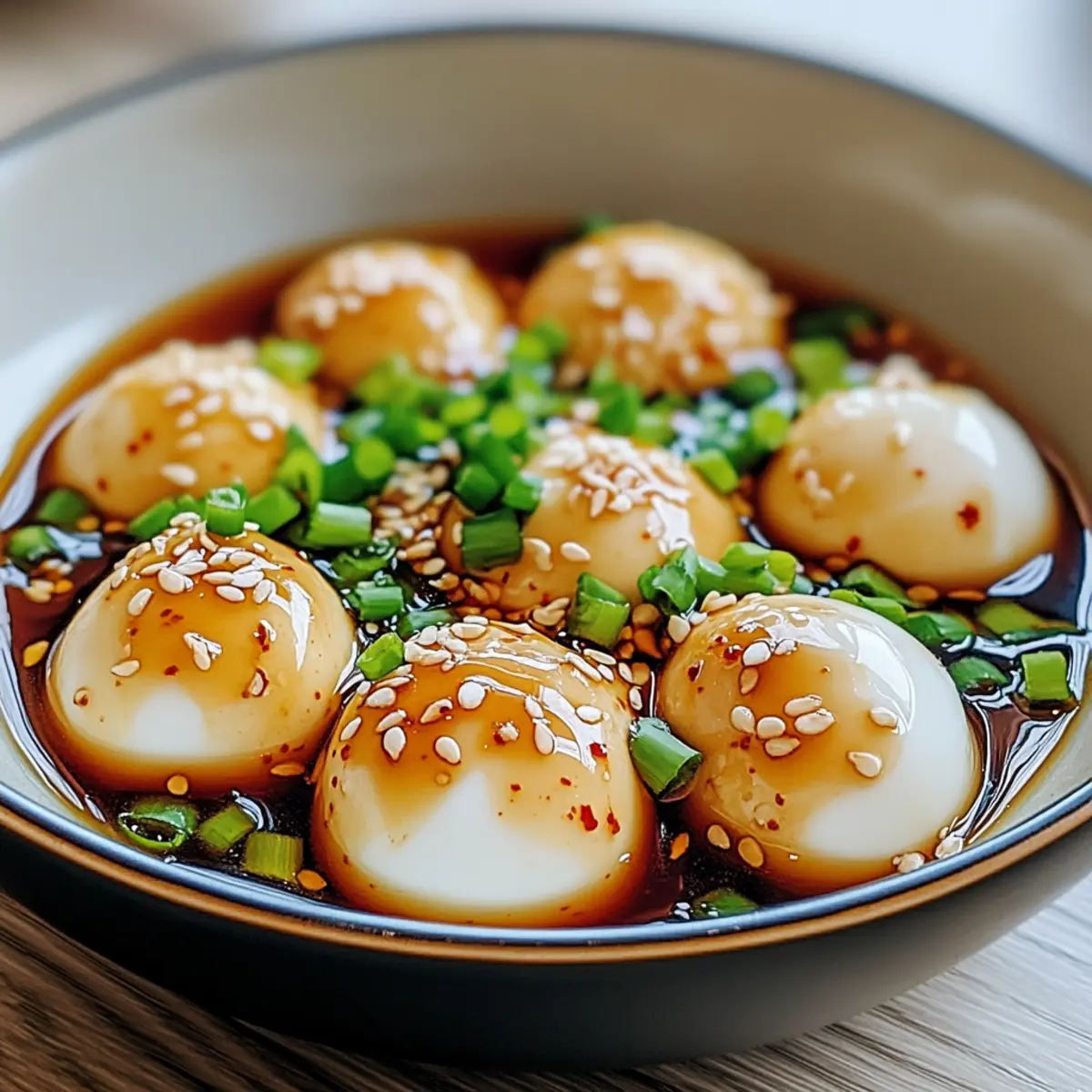
Addictive Marinated Eggs: A Savory Korean Delight
Ingredients
Equipment
Method
- Start by placing your large eggs in a pot and cover them with cold water. Bring to a gentle boil, then simmer for 6-8 minutes for soft-boiled eggs or 10-12 minutes for hard-boiled eggs.
- Prepare an ice bath by filling a large mixing bowl with ice and cold water.
- After boiling, transfer eggs into the ice bath using a slotted spoon and let them sit for about 5 minutes.
- Gently tap the eggs on a hard surface to crack the shell, then peel under running water.
- In a bowl, combine low-sodium soy sauce, mirin, sesame oil, and minced garlic. Whisk until well-blended.
- Gently submerge the peeled eggs into the marinade, cover, and refrigerate for at least 2 hours or overnight.
- Once marinated, remove eggs, slice in half, and serve with a sprinkle of chopped green onions.
Leave a Reply